Find Self Storage Near You

Not everyone has the space they need, yet many of us have belongings we want to keep. So what do you do when your home is already filled to the brim? Extra space can be hard to come by—especially when your garage, attic, closets, and basement are already occupied.
If your home is starting to feel overcrowded—or even on the verge of looking cluttered—it may be time to consider renting a storage unit.
Self-storage offers a simple solution whether you’re moving, downsizing, or just need extra room for seasonal or seldom-used items. It’s an affordable, flexible, and convenient way to free up space while keeping your belongings safe and accessible.
In the sections below, we’ll cover what self-storage is, why you might need it, the unit sizes available, and answers to some of the most common questions people have before renting.
What is Self-Storage?
Self-storage is a convenient service that allows individuals to lease space from a business to safely store their belongings. Typically, this comes in the form of a storage unit—an enclosed space with three walls and a roll-up door for easy access. You may also hear self-storage referred to as simply “storage,” “public storage,” or “mini storage.”
Storage units are available in a wide range of sizes, giving you the flexibility to choose the right fit for your needs. Each unit includes a latch where you can attach your own lock, ensuring your items remain secure.
Unlike apartment leases, self-storage agreements are flexible and affordable. Most facilities offer month-to-month rentals, so you’re not locked into a long-term contract. Whether you need space for just a month during a move or for several years to accommodate long-term storage, self-storage provides a versatile solution.
Commonly Confused Storage Options with Self-Storage
Self-storage is often used interchangeably with other storage terms, which can create confusion when searching for the right solution. Below are a few common misconceptions:
Storage Lockers vs. Self-Storage
Many people confuse self-storage units with storage lockers. While both provide a place to store belongings, lockers are much smaller in size and are typically found inside larger storage facilities. Lockers may work for a few boxes or small personal items, but they are not the same as a full self-storage unit, which offers far more space and flexibility.
Storage Sheds vs. Self-Storage
Another common mix-up is between storage sheds and self-storage. A storage shed is a structure placed on an individual’s property, either purchased pre-built or assembled on-site. Aside from the initial cost of purchase, sheds don’t involve ongoing rental fees. However, they are not considered self-storage.
Sheds are best suited for permanent or long-term storage, often for items like lawn equipment, gardening tools, or seasonal outdoor supplies. Self-storage, on the other hand, provides secure, flexible, and accessible space for a wide range of belongings—whether short-term during a move or long-term for ongoing storage needs.
Why Someone May Need a Self-Storage Unit
Self-storage has become quite commonplace and you can drive around and see multiple facilities. It is not as scarce as it used to be and there are many reasons why someone may need to rent out a self-storage unit. Let’s look at those reasons now.

Remodeling or Renovating Their Home
A home renovation or remodeling project is exciting, but it can stir up a lot of dust in the home and your furniture may be in the way. A self-storage unit is an excellent way for you to open the space that is needed for the remodel and keep your items free from dust and dirt.

Moving
The most common reason people lease a storage unit is because they need to store their items as they make a move. The moving process is never simple, and it takes planning and strategy. Whether your home is not ready for you yet or you have some items that just don’t fit, a self-storage unit can provide you with that extra space you need for the time being.

College Breaks or In Between Semesters
As a student, you are likely going to have breaks in between your semesters or you may want to head home for the summer. However, you do not want to bring all your items with you and then must bring them back again. Self-storage is a great option when you want a couple months away from school but do not want to pack up and head home.

Downsizing
Downsizing to a smaller home can make it difficult to part with your belongings. Bringing everything with you often leads to a cramped, cluttered space. At the same time, you may not be ready to let go of treasured heirlooms or valuable items. In these situations, leasing a self-storage unit provides the perfect solution—giving you the extra space you need while allowing you to hold onto what matters most until you decide on a permanent plan.

Emergency
Self-storage can be a lifesaver during life’s unexpected moments, giving you the freedom to focus on what truly matters without worrying about your belongings. Whether you’re coping with the loss of a loved one, moving in to provide care for a family member, or facing the aftermath of a natural disaster, self-storage offers a secure and reliable solution to help ease the burden during difficult times.

Staging a Home
Selling your home is stressful enough without worrying about where to put your belongings. Staging often means removing personal items and extra furniture—but if you don’t have a new home yet, storage can be a challenge. A self-storage unit provides the perfect solution, giving you a secure, flexible place to keep your items until you’re ready to move.
What Size Units Are Available?
Once you know what you want to store, you will need to make sure you choose a unit size that meets your needs. There are several choices available and, in most cases, you can find exactly what you need.
A rule of thumb to keep in mind is that if you are unsure if the unit you are considering is too small, go up one size. You would rather your items fit nicely instead of them being cramped. Remember, if you stuff your unit full without any organization or room to move around, you will not be able to access your items.
Below, we will explore the available unit sizes and discuss what type of contents you can fit inside to give you a better idea of which size you may need.
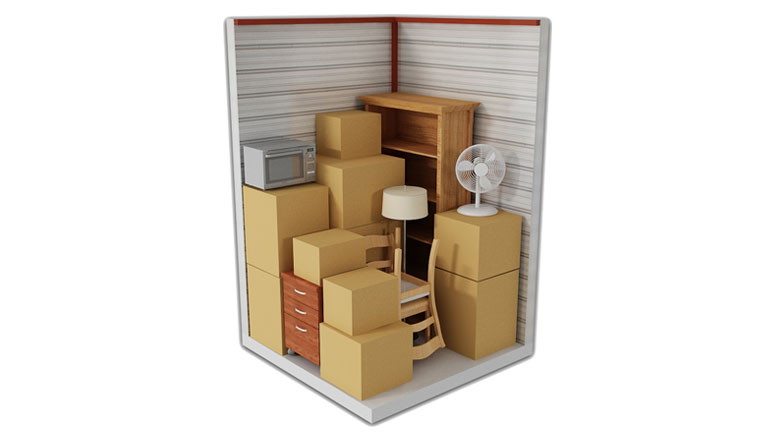
5x5 Unit
A 5x5 unit is approximately 25 square feet in size and is equivalent to the size of a closet. Within this unit, you can store several items such as a small bookcase, night stands, coffee tables, a small mattress with box spring, small appliances, and chairs.
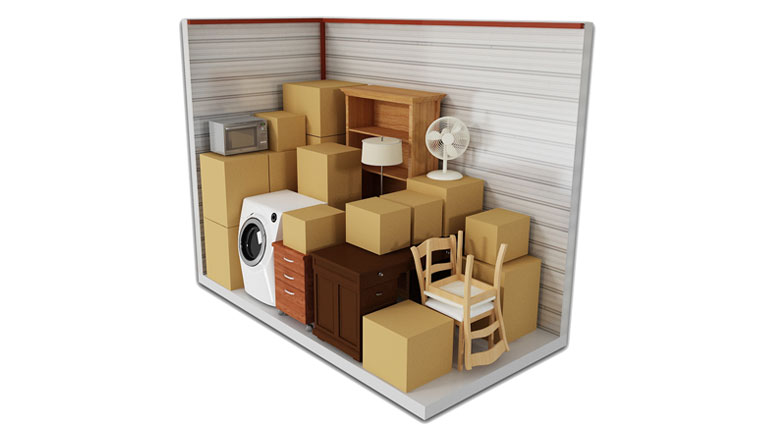
5x10 Unit
A 5x10 unit is approximately 50 square feet in size and is equivalent to the size of a larger walk-in closet. You will find it has a bit more space then the smaller 5x5 unit, which may be just enough for you to store several extra items. Within this unit, you can store items such as a small couch, small bedroom set, boxes of items, dresser, night stands, small appliances, and yard equipment.
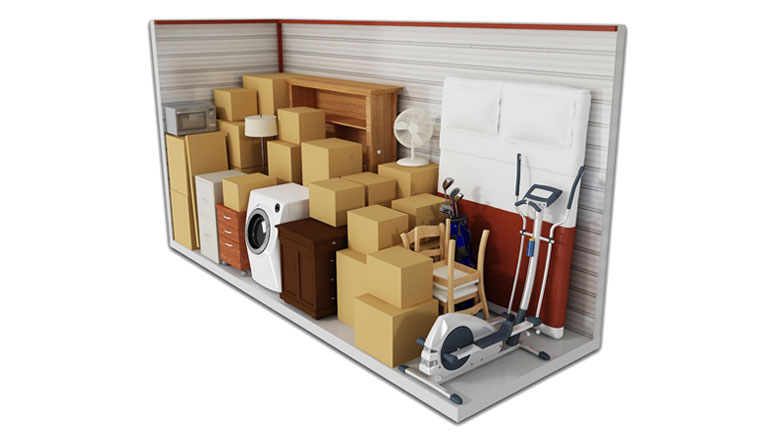
5x15 Unit
A 5x15 unit is likely the largest sized unit you will find that is climate controlled. This unit can hold roughly a two-bedroom home. Some of the items that you can fit inside this unit include yard equipment, tools and toolboxes, bedroom sets, dining room furniture, patio set, living room furniture, chairs, and computer desks.
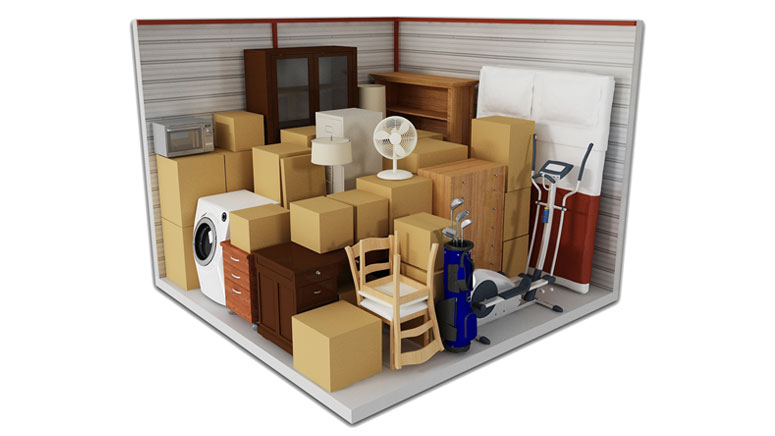
10x10 Unit
A 10x10 unit is approximately 100 square feet and is the size of a small bedroom. Within this unit, you can store items from about one to two bedrooms depending on the size. You can store items such as multiple chairs that are stacked up, a few large appliances, bedroom sets, coffee tables, small couch or loveseat, and office supplies.
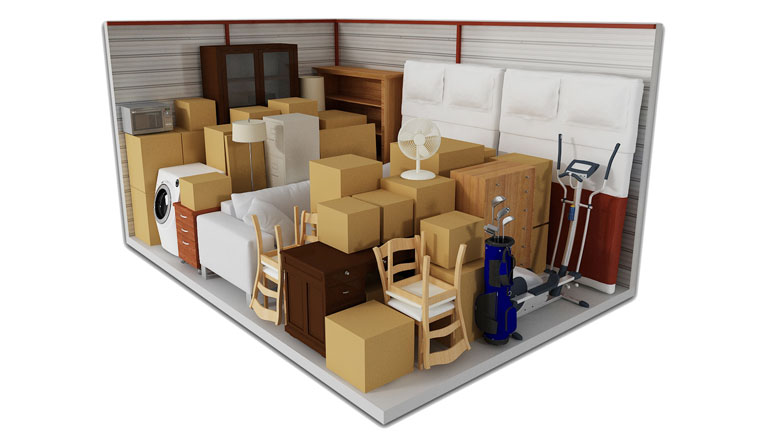
10x15 Unit
A 10x15 unit is approximately 150 square feet and is equal to the size of a traditional bedroom. Within this unit, you can store items from a two-bedroom home comfortably. Some of the items that will fit include electronics such as televisions, computer desks, bedroom furniture, living room sets, motorcycles, ATVs, small cars, yard equipment, and appliances.
10x20 Unit
A 10x20 unit is approximately 200 square feet and is equivalent to a one-car garage. Within this unit, you can comfortably store a two to three-bedroom home. Some of the items you can fit inside include complete bedroom sets, large tool boxes, boxes, dining room and living room furniture, washers and dryers, office equipment and furniture, and small cars or SUVs.
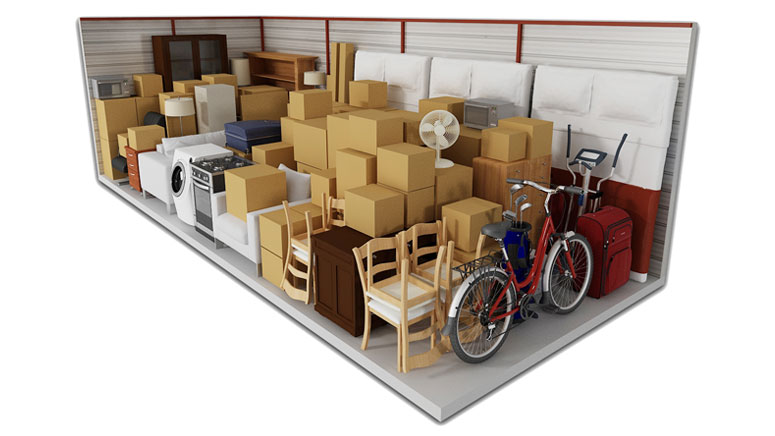
10x25 Unit
A 10x25 unit is approximately 250 square feet in size and is equal to a standard one car garage. Within this unit, you can store items from a three-bedroom home comfortably. Some of the items you can store include lawn equipment, boxes, bedroom sets, complete furniture sets throughout the home, home décor, appliances, and patio furniture.

10x30 Unit
A 10x30 unit is approximately 300 square feet and often the largest sized unit available at self-storage facilities. You can store the contents of a four-bedroom home within and the unit is the size of a two-car garage. Some of the items you can store include everything from the units above, large office furniture or machinery, and two vehicles.
What Types of Items Can Be Stored in a Self-Storage Unit?
A storage unit is a place for you to store items and you can store almost anything you want within your unit. Fortunately, most storage unit facilities allow you to store your belongings without a problem if you do so within reason. Below, we will talk about some of the items you CAN keep within your storage unit.

Electronics
You can store electronics within your storage unit and some of the most commonly stored electronics include televisions, DVD players, Blu-ray players, radios, cameras, and more. It is vital that you do take extra time to properly pack and store these items as they are vulnerable to humidity and extreme temperature changes. It is recommended that you have a climate-controlled unit.

Furniture
One of the most commonly stored items in a storage unit is furniture. The unit is ideal for storing your chairs, bedroom sets, couches, and more. It is important that you make sure to choose a climate-controlled unit for your furniture so that the wood does not wear down or become brittle due to extreme weather changes. In addition, you do not want mildew to develop on the cushions or pillows due to humidity.

Books or Files
Books and files can be stored in your self-storage unit and are safe to store as well. You can store these items in either boxes, special file protectors, or in a filing cabinet. While you do not have to store these items in a climate-controlled unit, it is often recommended to avoid issues with mildew on the pages or paper.

Clothing
You can safely store clothing in your storage unit and many people do it. Clothing can be stored on a rack, in a box, or a specially designed bag. You may want to place the clothes in a climate-controlled unit to avoid mildew due to high levels of humidity.

Appliances
You may find yourself needing to store appliances during a move or home renovation project. You can safely store ovens, dishwashers, ice makers, wine fridge, stove top, washer and dryer and even refrigerator. Be sure to wrap and pad them so that when they return to your home or their new location, they are in as good condition as they were when they went into store.

Lawn and Other Garage Items
A storage unit is a perfect place to store lawn equipment and garage items such as construction tools, saws and gardening tools. Be sure to follow the instructions of the self-storage facility on how to properly store these items in your unit so that they don’t have issues down the road and you don’t violate any of the rules at the storage facility.
What Items Should Not Be Stored in a Self-Storage Unit?
While you can store almost anything within your storage unit, there are some items that you should NEVER store within them and many of these items are on the prohibited list in your lease.

Plants
Plants will not survive in a storage unit because they require light and water. Since you will not likely be visiting your unit daily, your plants will not make it. If you want to store artificial plants, you can do so.
Pets
NEVER store pets inside of your storage unit, whether it is climate controlled or not. A storage unit is not a place for your pet and your pet may become ill or die as a result. You should find a kennel or pet sitter to watch your furry friend as you move or go out of town.
Yourself
Your self-storage unit is not a place for you to live and to do so is considered illegal. It is important to only use the storage unit as intended.
Garbage
Never store garbage in your storage unit as it is not an appropriate place to do so. The garbage will spoil and start to smell and attract pests to your unit and those nearby.
Food
Food in cans can be stored in your storage unit. In fact, food that is considered non-perishable can be stored but anything else should NOT be stored. You should avoid storing candy, chips, or any other food that can spoil. The reason behind this is because the spoiled food can rot and start to smell, as well as, attract pests.
Amenities Available for Your Storage Unit
Finding a local self-storage unit is not difficult and you can probably find one within minutes of being on the road. While self-storage facilities are plentiful, you do want to take some time to consider the amenities you want the storage facility to have. In fact, while you may not think these amenities matter, they can improve your storage experience and give you the peace of mind you need when it comes to security.

Drive-Up Access
For convenience purposes, a drive-up access unit is a must. These types of units are in a single-story building that is outside. These units allow you to drive right up to your unit number, which makes loading and unloading your vehicle simple and easy.
These types of units are perfect if you do not need a climate-controlled unit and you want to be able to load and unload without much walking involved. While these units are convenient, they lack some of the amenities you would receive if you rented an interior unit, but the price difference is notable.

Climate-Controlled Units
A climate-controlled unit is recommended for many of your belongings you plan to store from clothes to jewelry to furniture. If your items must be kept from extreme temperature changes, then you want to lease a unit that is climate controlled.
Humidity is one of the most common reasons for mold in addition to moisture. With that said, you should find a facility that offers humidity control too.

Electricity
You may want to look for a storage facility that offers electricity in its units. When we mention electricity, we’re not referring to air conditioning or built-in lighting, but rather units equipped with electrical outlets.
This can be a convenient amenity for certain storage needs, but keep in mind that not all facilities provide it. When available, it typically comes at an additional monthly cost.

24-Hour Access
Many storage facilities have set access hours, typically from around 6:00 a.m. to 8:00 p.m. While this works for some, it can be inconvenient if your schedule doesn’t align. If you can’t get to the facility during those hours, you may find yourself rearranging work, taking time off, or sacrificing part of your weekend just to access your belongings.
If flexible access is important to you, consider choosing a facility that offers 24/7 entry. This way, you can visit your unit whenever it fits your schedule, day or night.
Frequently Asked Wine Storage Questions
Below, you will find some commonly asked and answered questions about self-storage units and renting one.
How often does the rent change on the storage unit I am leasing?
This is a good question. Typically, when you lease a storage unit, you will be told the rate per month. You will also be informed as to whether this rate is locked in for a specific duration or if the rate is flexible. Most storage units operate with flexible rates, which means that the rent can increase when the market calls for it. Of course, the facility would need to let you know and if you are worried about the cost of rent rising, speak with the facility manager to learn more.
What types of specials or discounts are available for self-storage units?
Each storage facility will run their own specials and discounts which means you may find that one facility has cheaper rent than the other. Some of the most common discounts include move-in specials, free month of rent, and pro-rated rent.
What factors will influence the cost of my storage unit?
- The location of the facility
- The size of the unit
- The level of demand for units in the area
- The location of the unit within the facility
- Special features such as climate control, humidity control, drive-up access, etc.
How will I know all my stuff will fit through the storage unit door?
All the doors on storage units are roll up doors like a commercial company’s intake area where they receive shipments. The doors roll completely up, and the unit is the size of a garage door or close to it. In fact, depending on the unit size you rent, the width will be about that size. To access and use the door on your unit, you will find a latch on the front and all you need to do is slide the latch and raise the door. Once you have stored items in the unit, you can lock and secure the unit.
There are not swing open doors on storage units, so you do not have to worry about the constant opening and closing, the limitations of a swing door, or the door getting in the way.
Will my storage unit have electrical outlets?
It depends. Some storage facilities do offer electrical outlets in their units but not all do. If you are looking for an electrical outlet within your storage unit, inquire around town and find out who offers them.
How to Find a Self-Storage Unit Nearby
Previously, you could locate a self-storage unit by looking in the phonebook, but today, you can perform a search online for a self-storage unit nearby or you can travel down the road and spot them. Since self-storage units are plentiful, you want to weed out the right facility based on the amenities they offer and how well they can meet your needs.